

📅 Open Week October 2026! - Book a Visit

Developmental milestones are significant achievements that children reach as they grow. They serve as essential indicators of a child’s physical, cognitive, social, and emotional development.
It is important to remember that children develop at their own pace, and there is a wide range of ‘norma’ development. However, these milestones serve as a helpful guide for parents, caregivers, and health professionals to monitor progress. Identifying potential developmental delays early on ensures children receive the intervention they need to reach their full potential.

Child development is generally broken down into three core categories. Evaluating these areas combined helps identify how well a child is progressing.
Involves gross and fine motor skills, such as rolling over, crawling, and walking.
Why it matters: These skills provide the foundation for independence, sports, and play. A child unable to move freely may have difficulty exploring, which indirectly impacts social development.
Involves a child’s ability to think, reason, and learn (e.g., recognising shapes or solving problems).
Why it matters: Provides the basis for academic achievement. Early language and problem-solving skills directly impact a child’s ability to read and write later in life.
Involves the ability to interact with others, manage emotions, and form relationships.
Why it matters: Dictates how well a child communicates and makes friends. Strong emotional milestones prevent children from feeling isolated or excluded.
Milestones are typically categorised by age ranges. Here is what to look out for as your child grows:
Infants (0-12 months)
Infants develop rapidly, learning to roll over, crawl, and eventually walk. Communication starts with cooing, babbling, and responding to their name. By 6 months, they often sit upright without support, and by 12 months, many can stand or walk with support.
Toddlers (1-3 years)
Active and curious, toddlers learn to communicate their needs. By age 2, they can often speak in simple sentences, follow basic instructions, and use utensils. By age 3, coordination improves greatly, allowing them to jump, skip, and ride a tricycle.
Preschoolers (3-5 years)
Becoming more independent, preschoolers learn to dress themselves and use the toilet. Language becomes complex (storytelling and asking questions). By age 4, they can often hop on one foot, draw a person, use scissors, and play cooperatively with empathy.
School-Age (6-12 years)
Develop complex reasoning, a sense of justice, and self-identity. By age 6, they can tie shoes and write their name. By 10, they are reading fluently and performing maths.
Adolescents (13-18 years)
A time of significant emotional changes. They become self-directed, develop personal values, understand abstract concepts, and heavily focus on peer relationships.
Parental support is crucial. Parents who actively participate in their child’s milestones create a massive positive impact on their overall trajectory. Here is how you can help at a high level:
Create a Stimulating Environment: Provide access to toys that encourage exploration. Encouraging play unlocks new skills and boosts happiness.
Read and Tell Stories: Reading is one of the best ways to support cognitive and language development. Your undivided attention during storytime also builds deep emotional security.
Monitor & Praise: Keep track of crawling, walking, and talking. Praise them heavily when they reach milestones to boost confidence. If you notice delays, consult your GP or Health Visitor early.
Becoming a parent is magical and messy in equal measure. For parents of infants, one of the best ways to support early milestones is through purposeful play. The good news? You don’t need fancy toys. Simple, interactive games turn everyday moments into brain-boosting, heart-melting learning.
The “Serve & Return”: New-borns are tiny scientists. When you smile and they coo back, you are engaging in serve and return interactions that literally shape their brain architecture.
Building Foundations: These mini-rituals build trust, encourage motor skills (from squirm to scoot), and lay the groundwork for language long before first words arrive.
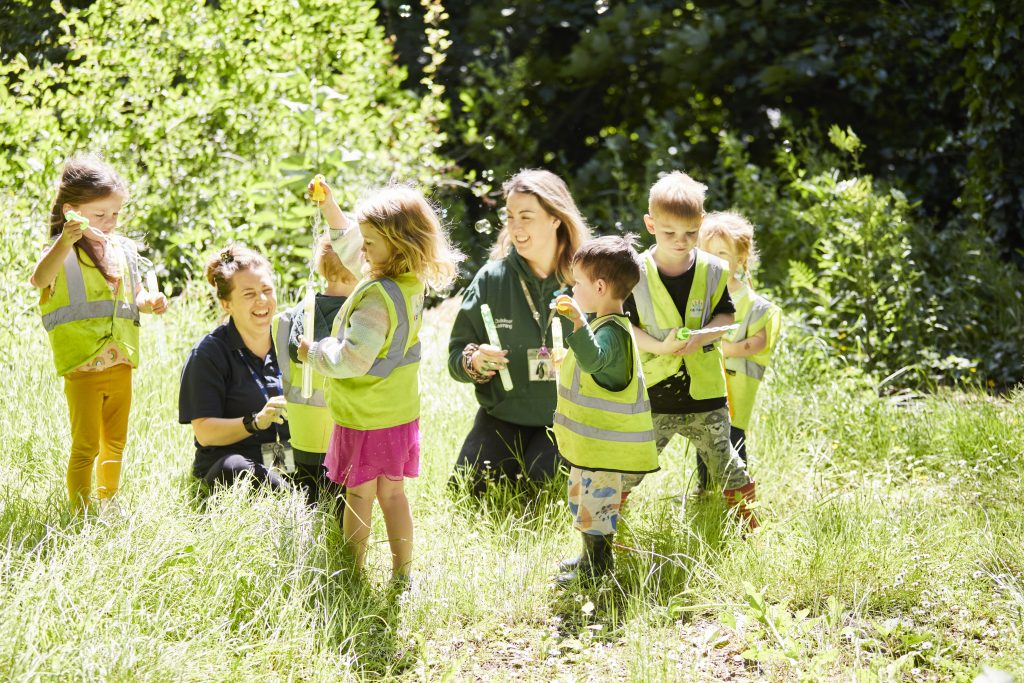
Dip in, try a few, and repeat the ones your little one loves. Always follow their lead—if they turn away, take a break!
High-Contrast Magic: Move bold black-and-white cards slowly in front of them during tummy time to build neck strength and visual tracking.
Face-to-Face Singing: Exaggerate your expressions while humming. These mini-duets are gold for early communication.
Mirror Moments: Babies are fascinated by ‘that baby’ in the mirror. Use this to encourage them to copy your funny faces.
Soft-Ball Roll: Roll a fabric ball slowly into their line of sight. It encourages hand-eye coordination as they reach out to bat at it.
Stack and Crash: Build soft towers together. Counting “1, 2, 3… Boom!” teaches turn-taking and spatial awareness.
Hide and Find: Hide a favourite toy under a cloth. Cheering when they find it builds early problem-solving skills and memory.
Nature Point-and-Name: From birds to buses, point to what you see. These moments are incredibly powerful for early language development.
Sky Stories: Try tummy time on a blanket outdoors. Narrate the movement of leaves and clouds to feed their curiosity.
Keep it Short: One to three minutes of playful interaction is perfect for a baby’s attention span.
Narrate Daily Life: You don’t need a session. Chat in the buggy, sing at bath time, and narrate the nappy change.
Safety First: Always supervise tummy time and keep babies under 6 months out of direct sunlight. Check their temperature by feeling their tummy, not their hands.
Enrolling in a high-quality nursery plays an essential role in a child’s development. Here is how we ensure your child thrives at every age:
Nurturing Baby Rooms: Designed for connection and curiosity, we incorporate face-to-face songs, shaded gardens, and responsive serve and return interactions.
The EYFS Framework: We are proud of our delivery of the Early Years Foundation Stage. This framework allows us to regularly assess your child and plan bespoke activities to help them progress.
Physical Activity: We offer dedicated support for motor skills and coordination, including physical activity sessions led by qualified sports coaches.
Dedicated SEND Support: For children presenting with additional needs, we offer industry-leading additional support. Every nursery has a dedicated SENDCo.
Early intervention and a stimulating environment are the keys to unlocking your child’s potential. Book a visit to see how our educators support development at every stage.


© Copyright 2026 Kids Planet Nurseries - All Rights Reserved.


