Back to school tips for children and parents
The Ultimate Transition Guide


Preparing Your Child for Nursery and Big School
It’s almost the start of a new academic year, which brings exciting opportunities, anticipation, and naturally, a few fears for both children and parents.
Getting our children ready for “big school” or returning to nursery after a summer of lie-ins is an important task. It might feel like a massive leap for you as a parent, but with the right support, you and your little one will be able to successfully tackle any challenges that lie ahead. Here is our comprehensive guide to easing the transition.
What Does “School Ready” Actually Mean?
While it’s totally normal for children to enter school at different stages of development, being “school ready” doesn’t mean your child needs to be an academic prodigy. Generally, it means they:
•Have basic social skills.
•Can cope with being separated from their parents.
•Are relatively independent with self-care.
•Are curious about the world and have a desire to learn.
Do they need to read and write before starting school?
No, they don’t! For many children, the first reception year will involve a lot of learning through play – very similar to what they experience at nursery.
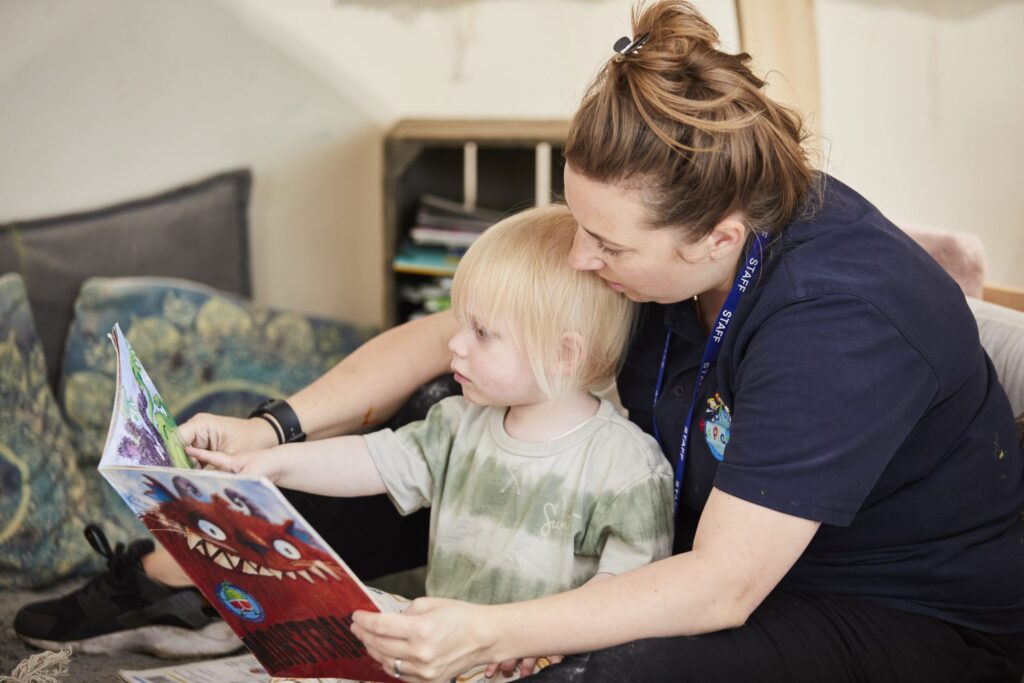
•Reading: You don’t need to teach them to read, but giving them opportunities to share, listen, and enjoy books helps develop a lifelong love of reading. Our Kids Planet nurseries feature reading corners and lending libraries for this exact reason!
•Writing: Through “mark making” (like drawing or painting on different surfaces) and fine-motor activities (like threading pasta bracelets), we help strengthen the arm and hand muscles needed to hold a pen. Go at their pace; their new teachers are highly skilled at helping children progress at their own level.
Top Tips to Ease the Transition
Establish a Routine Early
After a summer of late nights, getting back into a school routine won’t happen overnight. Start an early-night routine a couple of weeks before the term starts. It’s also incredibly helpful to practice the school morning routine – getting dressed and eating breakfast in time to leave the house.
Encourage Independence
Build confidence by involving them in back-to-school prep. Let them pick their lunch box, and practice putting school clothes on and off (shoes with Velcro are a huge help!). Give them small daily tasks at home, and make sure they can actually open the wrappers inside their packed lunch!
Build Healthy Habits
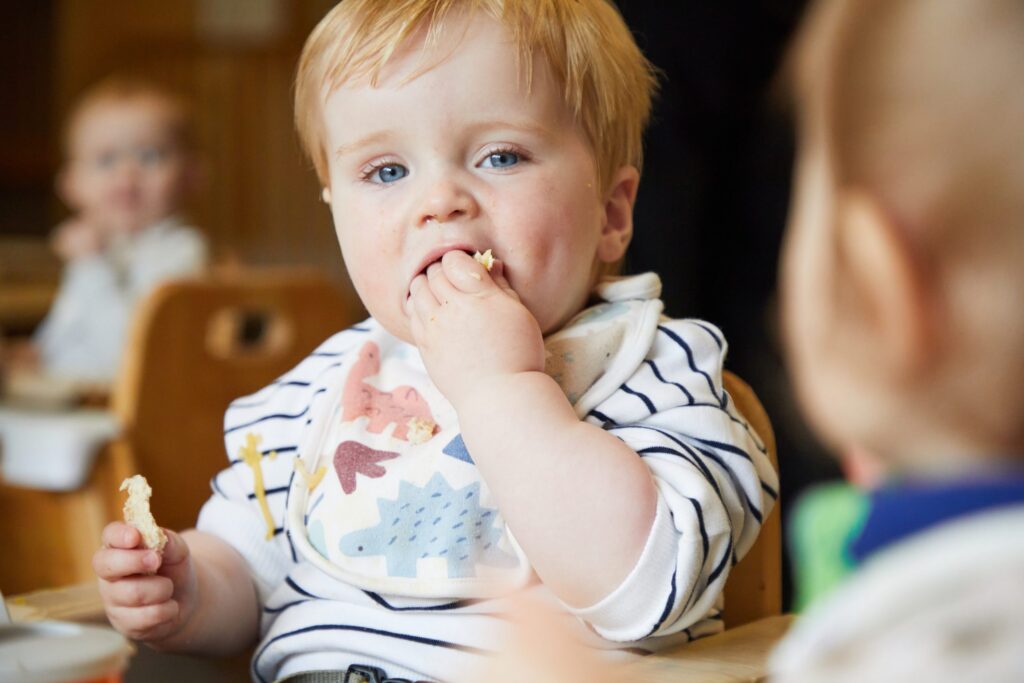
Nutritious food gives your child the energy they need. All Kids Planet nurseries have on-site chefs for fresh, balanced meals. It’s also a great time to discover physical activities; we partner with Sports Coaches to encourage outdoor play and physical development.
Talk About Safety
Sending your children off to school can be daunting. Take them outside and make them aware of road safety rules, teach them about stranger danger, and if they are old enough, ensure they are highly familiar with their walking or bus commute.
Helping Your Child Settle on the First Day
Ease the Pressure with a Practice Run
If your child is nervous about meeting new people or leaving home, visit the setting before their first day. Practice the journey there. Talk to them about the friends they’ll make and the activities they’ll do. At Kids Planet, we invite all parents to book a show-round to get a feel for the setting and meet the team.
Communicate Openly (and Positively!)
Giving your child the freedom to express their worries opens up a dialogue. Work through challenging scenarios together – if they are worried about making friends, teach them useful phrases like, “Can I join in?” or “Do you want to share?” Most importantly: always talk about school in a positive way. Any visible anxiety from you will be picked up by your child. Keep calm, wear a smile, and offer plenty of reassurance.
Be Prepared for Tears at Drop-Off
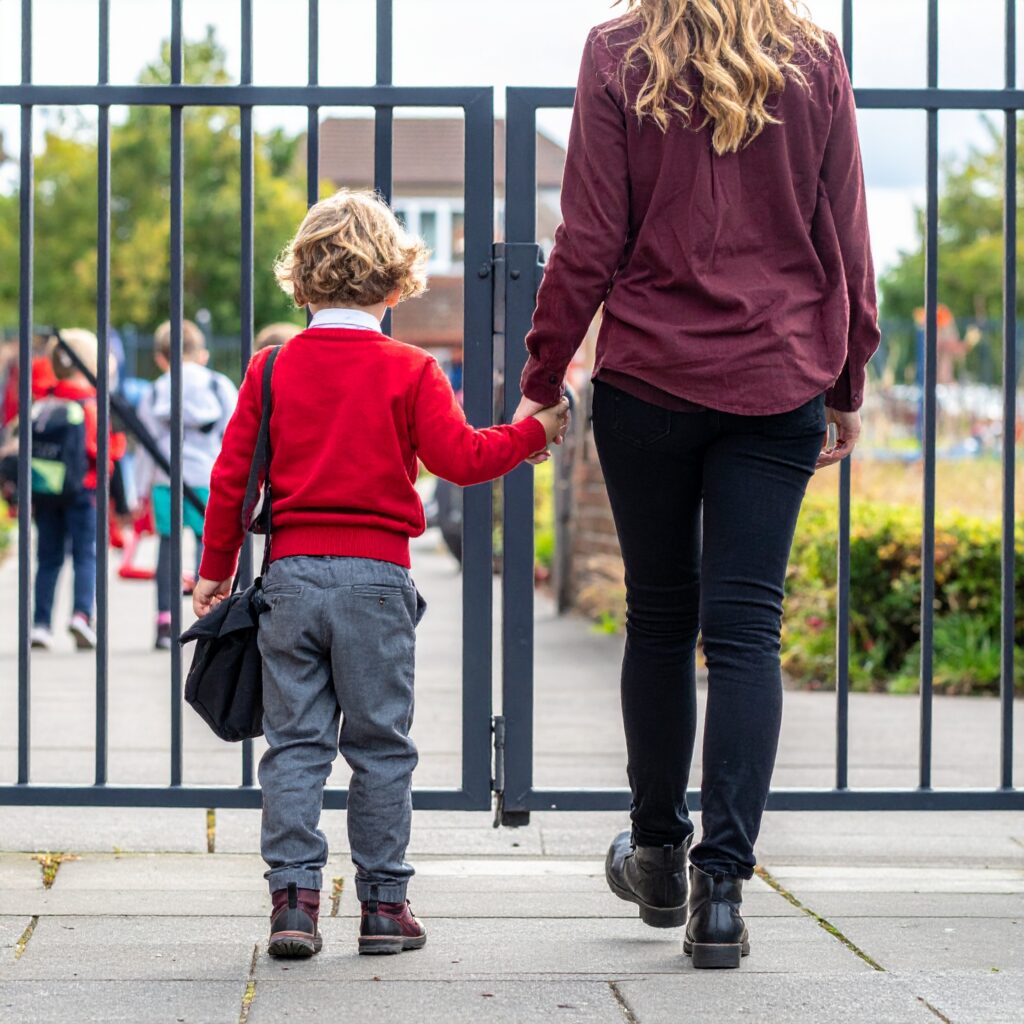
It’s likely your child might not fully understand why you are leaving them. Do your best to comfort them, reassure them you’ll be back, and then trust your chosen nursery or school. Staff are highly trained to deal with difficult transitions and heavy emotions. Even the most distressed children usually settle into their new routines very quickly and, before you know it, they’ll be skipping into their classroom!