Safer Sleep Guidance
Sleep is one of the most important things we get right for your child, every day they’re with us. It’s also one of the areas where small details make the biggest difference to safety.

New national guidance on safer sleep has recently been published, drawing together the latest evidence from health and early years experts. We already follow this closely across every Kids Planet setting – but moments like this are worth using to explain exactly what the guidance says, why it matters, and how we put it into practice.
This isn’t about alarming you. It’s about making sure you have the same clear, evidence-based information we use every day, for naps at nursery and sleep at home.
Where the Guidance Comes From
In the UK, safer sleep advice is developed by organisations working in partnership, including:
- The Lullaby Trust
- The NHS
- The Department for Education (DfE)
The advice was created with the aim of reducing the risk of sudden infant death syndrome (SIDS), and since 1991 the Lullaby Trust estimates it has saved the lives of over 31,000 babies.
The ABCs of Safer Sleep
There are a few core principles of the safer sleep advice. As your baby gets older the advice can change slightly, so make sure you check as they grow.
For babies 6 months and under, the Lullaby Trust created a simple acronym so new parents can remember the basics, even after little to no sleep themselves:
- Always – for every sleep, day and night
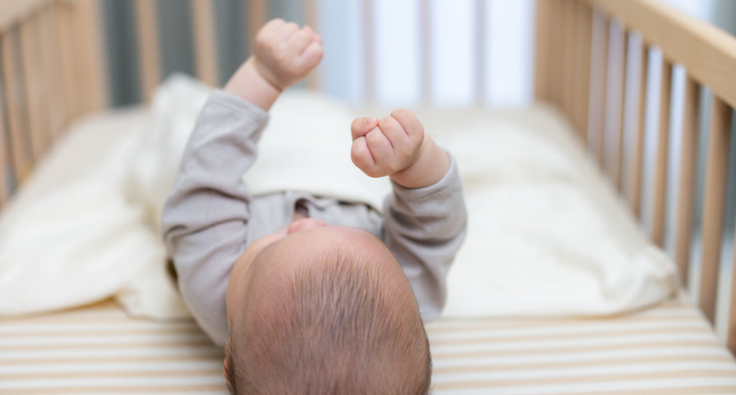
- Back – place your baby on their back to sleep
- Clear – in a clear, flat, firm cot or sleep space
The single safest thing you can do is always place your little one on their back, in their own clear, flat, firm and separate sleep space.
The Safest Sleeping Position
Sleeping on the back, sometimes called the supine position, is the safest position for every sleep, not just at night. It’s not a UK-specific recommendation either; evidence from around the world backs it up.
Consistency matters as much as the position itself. A baby who’s usually placed on their back but occasionally put down on their front or side is at higher risk than one who’s always in one position or the other.
That’s part of why keeping sleep routines aligned between home and nursery matters so much. If your baby’s doctor has advised a different position for medical reasons, always follow their guidance instead.
Getting the Room Temperature Right
Babies sleep best in a room between 16°C and 20°C, not too warm and not too cold. To help keep it in that range:
- Use a room thermometer to take the guesswork out of it
- Check before adding or removing a layer, rather than assuming
- Take extra care on warmer nights, as the risk of SIDS rises when a baby gets too hot
Breastfeeding and Safer Sleep
Breastfeeding, in any amount, has been shown to reduce the risk of SIDS. But we know it isn’t possible or right for every family, and that’s completely okay. If you formula feed and follow the rest of this advice, you’re already giving your baby a safe start to sleep.
Safer Sleep at a Glance
If you only remember a few things from this guide, make it these:
- Always place your baby on their back to sleep, for every sleep
- Use a clear, flat, firm and separate sleep space
- Keep the room between 16°C and 20°C
- Keep sleep routines consistent between home and nursery
How We Support Safer Sleep at Nursery
We value discussions with families about their child’s sleep routines, needs and preferences, using this information to help children feel comfortable, settled and supported in our care. Many of our settings are completing or have achieved the Prem Aware Award with The Smallest Things charity, recognising and strengthening support for babies and children born prematurely. All sleep arrangements follow current EYFS requirements, statutory safer sleep guidance and recognised best practice, ensuring every child sleeps safely while in our care.
If you have any questions about your child’s sleep routine at nursery, start with your room team. They know your child, and they’re always happy to talk it through.
Want to read more? Both the Lullaby Trust and the NHS publish clear, regularly updated safer sleep guidance that’s well worth reading in full.