Easy Science Experiments at Home
World Science Day on 10 November is a lovely chance to slow down, notice the wonders in everyday life, and learn side by side with your little one.

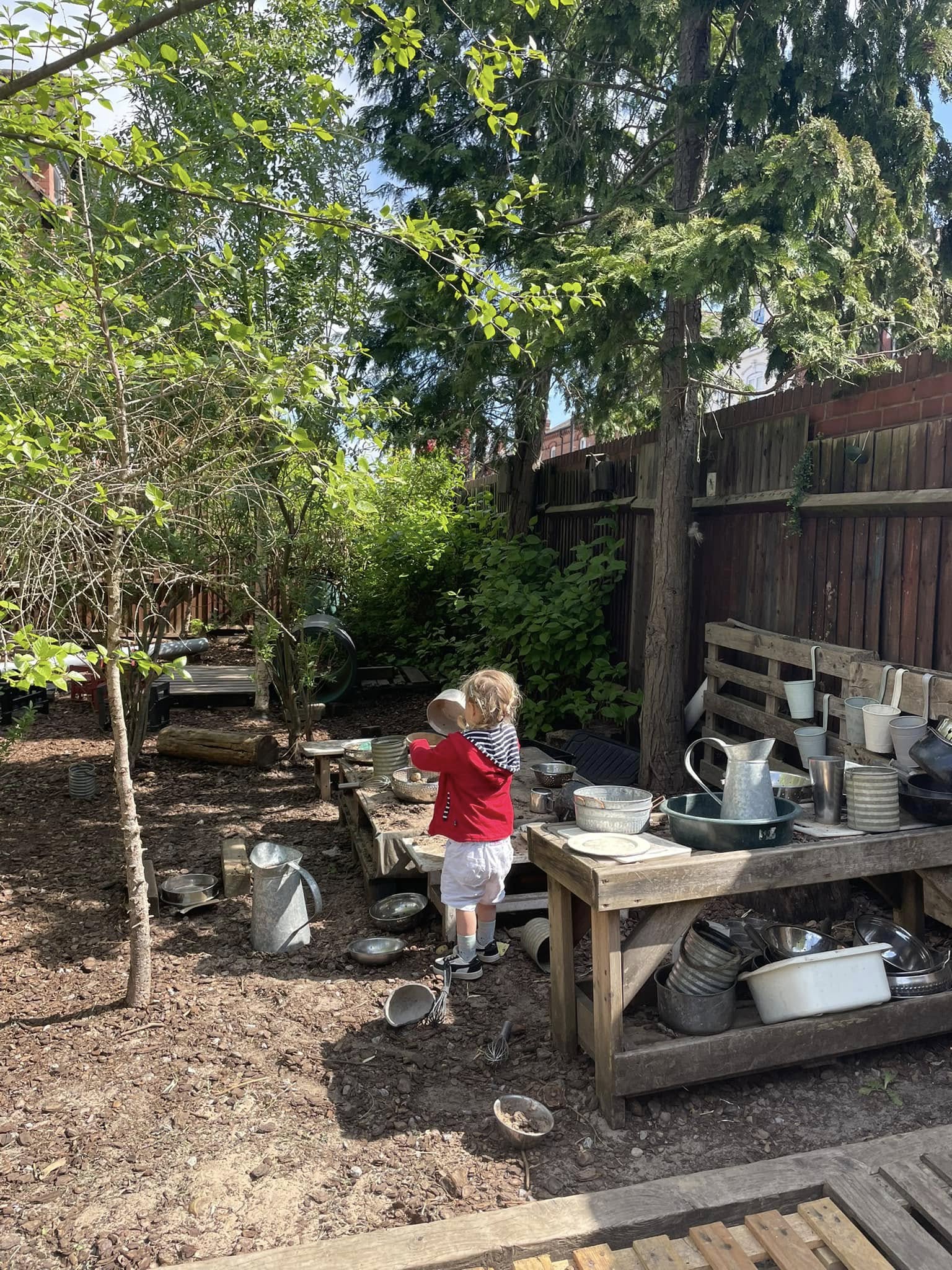
World Science Day: Science as Play with a Purpose
At Kids Planet, we see science as play with a purpose. With a tray, a torch, a few kitchen bits, and your encouragement, children build confidence, language, and problem-solving skills that sit at the heart of early years education. You do not need fancy kits…just curiosity, time, and a splash of creativity.
Before You Begin: Safety & Accessibility
✅ Keep it Supervised: Always stay with your child, protect clothes and surfaces, and check for allergies.
✅ Let Them Lead: Invite your child to guide the play and make the predictions.
✅ SEND Adaptability: Reduce noise, offer visual supports, or use larger tools for an easier grip to support different learning styles.
Everyday Science at Home
🫧 The Science of Bubbles
You’ll need: Washing-up liquid, warm water, sugar or glycerine, cups, straws, different wands.
Try it: Stir a spoon of washing-up liquid into warm water with a pinch of sugar. Test big and small wands, then try joining two bubbles. Ask what happens if you blow slowly or quickly.
💡 The Learning: Observation, predicting, cause and effect, and rich describing words.
🛁 Sink or Float with Bath Toys
You’ll need: Bowl or bath of water, a mix of toys.
Try it: Make a “will it float” prediction pile. Test each toy and sort into float or sink groups. Try trapping air in a plastic cup and test again.
💡 The Learning: Early physics, sorting, classifying, and new vocabulary (float, sink, heavy, light).
🔦 Shadow Play on the Wall
You’ll need: Torch or lamp, clear wall, hands or toys.
Try it: Shine the torch and move hands closer and farther. Trace outlines on paper. Compare shadow size as you move the torch.
💡 The Learning: Light and shadow, creativity, and positional language (near and far).
Kitchen Chemistry: Safe & Simple
🌋 Fizz, Pop, Wow!
You’ll need: Bicarbonate of soda, vinegar, washing-up liquid, tray, cup.
Try it: Put bicarb and a drip of washing-up liquid in the cup. Pour in vinegar and enjoy the fizz. Compare small and big scoops and agree on safety rules.
💡 The Learning: Acid-base reactions, turn-taking, and listening to safety instructions.
🌈 Rainbow Milk
You’ll need: Whole milk in a shallow dish, food colouring, cotton bud, washing-up liquid.
Try it: Add colour drops to the milk. Touch a soapy cotton bud to the surface. Watch the colours race and describe the patterns.
💡 The Learning: Surface tension, colour mixing, observing carefully, and using descriptive language.
Nature & Outdoor Investigations
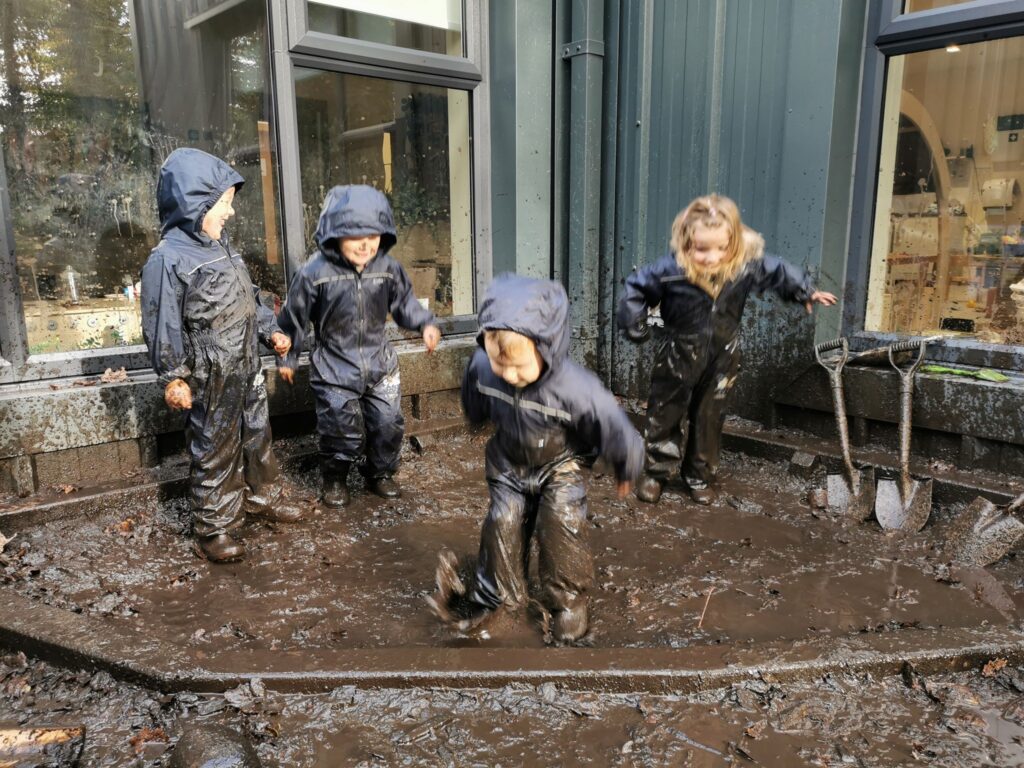
Learning outdoors is our happy place. Our Udeskole approach uses real-world experiences in all weathers to grow confident, curious thinkers.
🐞 Mini Beast Safari
You’ll need: Magnifier, small tub with air holes, sticks, leaves, bark.
Try it: Search under stones and leaves, handling with care. Observe and count legs, then return the insects. Build a mini bug hotel with sticks and bark.
💡 The Learning: Habitats, empathy for living things, and speaking in full sentences.
🌧️ Weather Watchers
You’ll need: DIY rain gauge (bottle with a ruler), ribbon windsock, notebook.
Try it: Place the gauge outside and check it daily. Watch the windsock and note if it’s breezy or calm. Compare days and talk about the weather patterns.
💡 The Learning: Measurement, recording data, and noticing patterns over time.
Story-Led STEM
Combine your child’s favorite books with interactive engineering challenges!
🐷 Three Little Pigs: Building Test
You’ll need: Straw, sticks, blocks, and a hairdryer on cool.
The Challenge: Build three small houses. Test them with gentle puffs from the “wolf” hairdryer. Discuss which materials are strongest and why!
🚤 Mr Gumpy’s Outing: Floating a Boat
You’ll need: Foil, a bowl of water, coins or buttons.
The Challenge: Shape a foil boat and predict how many coins it can hold. Add the cargo one by one until it sinks. Redesign the boat and try again!
🚀 Whatever Next!: Moon Craters
You’ll need: Tray, flour, small pebbles.
The Challenge: Smooth flour into a tray to make the “moon.” Drop pebbles from different heights and compare the crater sizes and impact patterns.
Making Science Inclusive & Meaningful
Every child is different. You can lower noise levels, offer ear defenders, swap touch-heavy tasks for visual ones, or use larger tools. Our colleagues model rich vocabulary, support turn-taking, and extend language, which is especially powerful for children with SEND.
Pick one idea, set out a simple invitation to play, and follow your child’s lead. You are doing the most important bit: being present and curious together. On World Science Day, and every day, we will be right there cheering you on.
Let’s Talk About Your Child’s Journey
Want more play-and-learn ideas, or to see how our early years education supports curiosity? Book a visit to your local Kids Planet and chat with our team about our nurturing approach and funded childcare options.