

📅 Open Week October 2026! - Book a Visit

How predictable rhythms build confidence, ease worries, and help your little one thrive.
If your day often feels like a jigsaw of naps, snacks, and “where did I put the wipes?”, you’re not alone. Routines are the quiet magic that help your little one feel safe, learn faster, and enjoy their day.
At Kids Planet, we use calm, predictable rhythms to support children’s early years education and care, while leaving plenty of room for curiosity, cuddles, and fun. ❤️
A predictable day helps babies and young children understand what comes next. That sense of “I know this bit” reduces wobbliness, builds confidence, and frees up brain space for learning.
Secure attachment grows from warm, responsive care, and that’s easier to offer when your day has a rhythm. The NHS Start for Life explains how bonding and responsive caregiving shape babies’ brains and wellbeing in the early months.
Routines can also ease worries. When children feel safe and know what to expect, they’re more open to play, learning, and connection.
Every repeated moment, morning hellos, tidy-up songs, story before sleep, is a chance to practise turn-taking, sharing, and naming feelings.
UNICEF’s Care for Child Development shows how simple daily play-and-talk routines build attachment.
Predictable sequences (wash hands, snack, story) help develop executive function – the brain’s “air traffic control” for attention and planning.
Harvard’s Center on the Developing Child explains how routines strengthen these vital skills.
Every child is different. Flex your routine for sleep needs, sensory preferences, neurodiversity, and family life. If your child has additional needs, work with your setting’s SENCO and keep communication flowing so home and nursery routines feel joined-up.
For babies and toddlers, responsive caregiving sits at the heart of any good routine. Short, repeated, playful interactions are powerful for brain development and bonding.
Consistent Wake-Up & Bedtime
Aim for a familiar sequence before sleep (bath, story, cuddle). Small steps work – bring bedtime forward by 5-10 minutes each week until you reach your goal.
Balanced Meals & Snacks
Offer regular, unhurried mealtimes with a variety of tastes and textures as appetites and routines evolve.
Structured & Interest-Led Play
Blend adult-guided invitations with child-led exploration, sensory experiences, and loose parts play to fuel curiosity.
Quiet Time to Recharge
Short, screen-free pauses help bodies and brains reset, supporting attention and self-regulation.
Outdoor Play Every Day
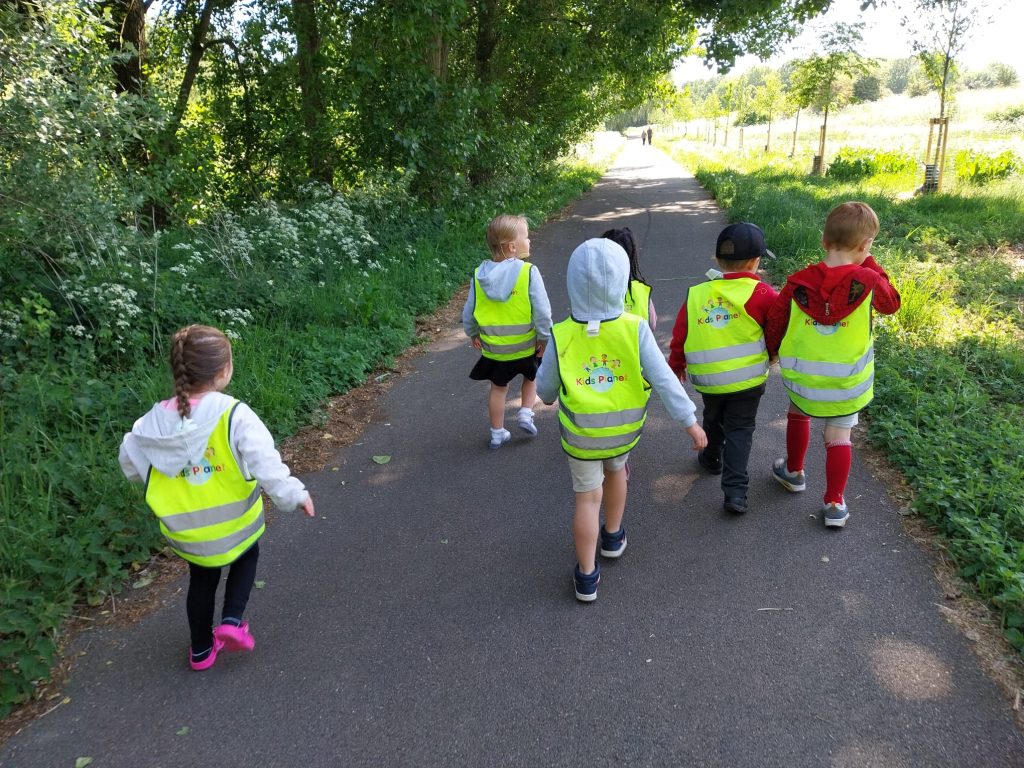
Fresh air boosts mood, movement, and language. At Kids Planet, our gardens, nature areas, and Udeskole approach take learning outdoors in all weathers, in line with EYFS expectations.
Moving from one activity to the next can be tricky. Try these evidence-informed ideas:
There isn’t one “perfect” routine, only the one that works for your family. Start small, keep it kind, and let your child’s interests lead the way.
Pop in for a visit to your nearest Kids Planet nursery and chat with our team about routines, outdoor learning, and funded childcare options. We’re here to help.


© Copyright 2026 Kids Planet Nurseries - All Rights Reserved.


