Baby Play Activities & Developmental Benefits
From sensory mats to peek-a-boo, discover how simple moments of play help your little one thrive.

The Magic of Play: Boosting Your Baby’s Development
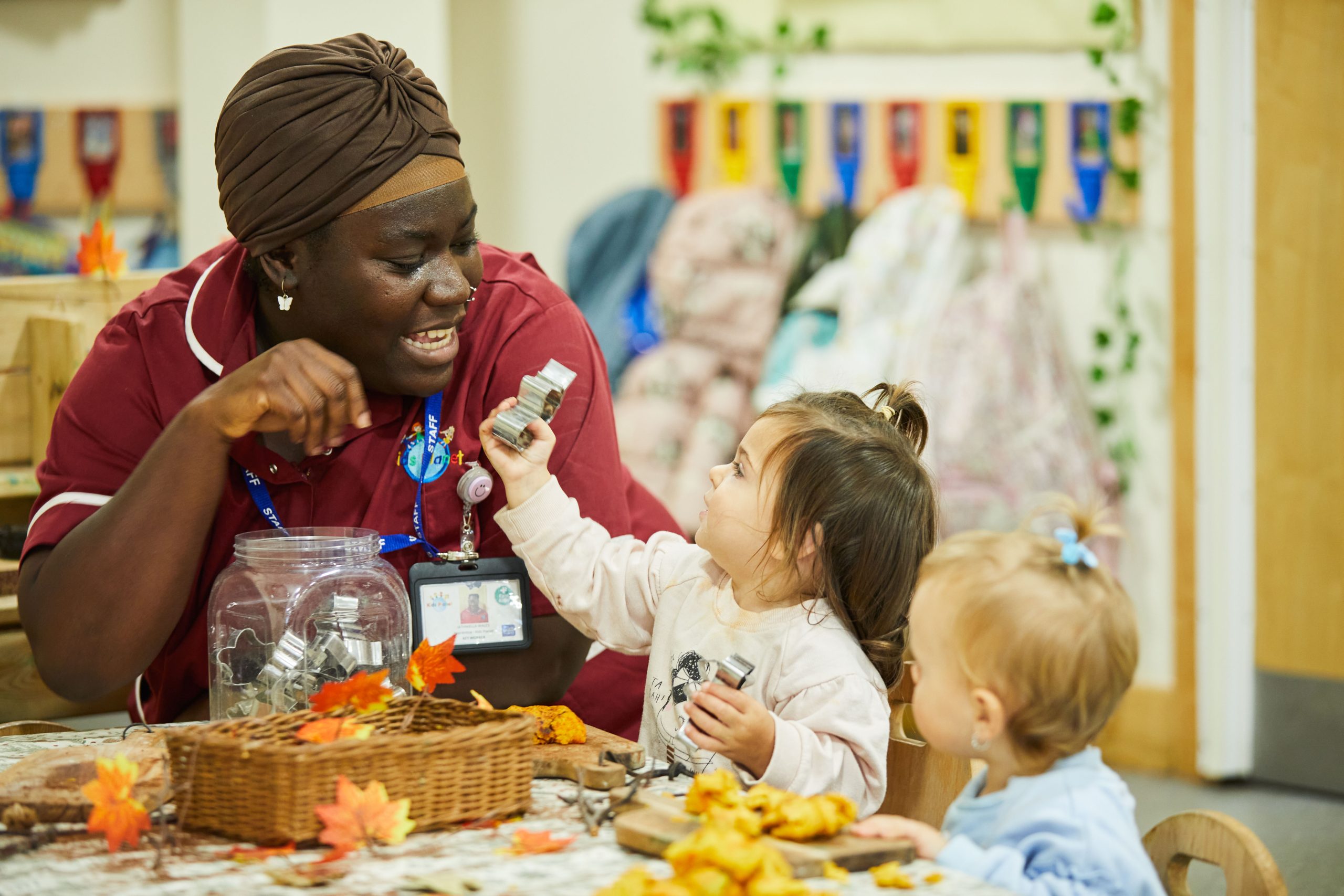
Play has many proven benefits for babies, and engaging with your baby through play is a wonderful way to bond, stimulate their development, and make the early years magical. At Kids Planet, we know just how important simple yet meaningful activities are in helping your little one grow and thrive.
Why is Play Important for Babies?
Playing isn’t just fun—it’s fundamental to your baby’s development. It builds your child’s ability to plan, organise, socialise, and regulate their emotions, whilst developing their language and maths skills, and even helping them cope with stress.
Supports cognitive development (learning how things work and problem-solving).
Strengthens motor skills (like grasping, crawling, or rolling).
Enhances sensory awareness (sight, sound, touch, taste, and smell).
Builds emotional connections and encourages social interaction.
5 Simple Baby Play Activities to Try
1. Sensory Play for Babies
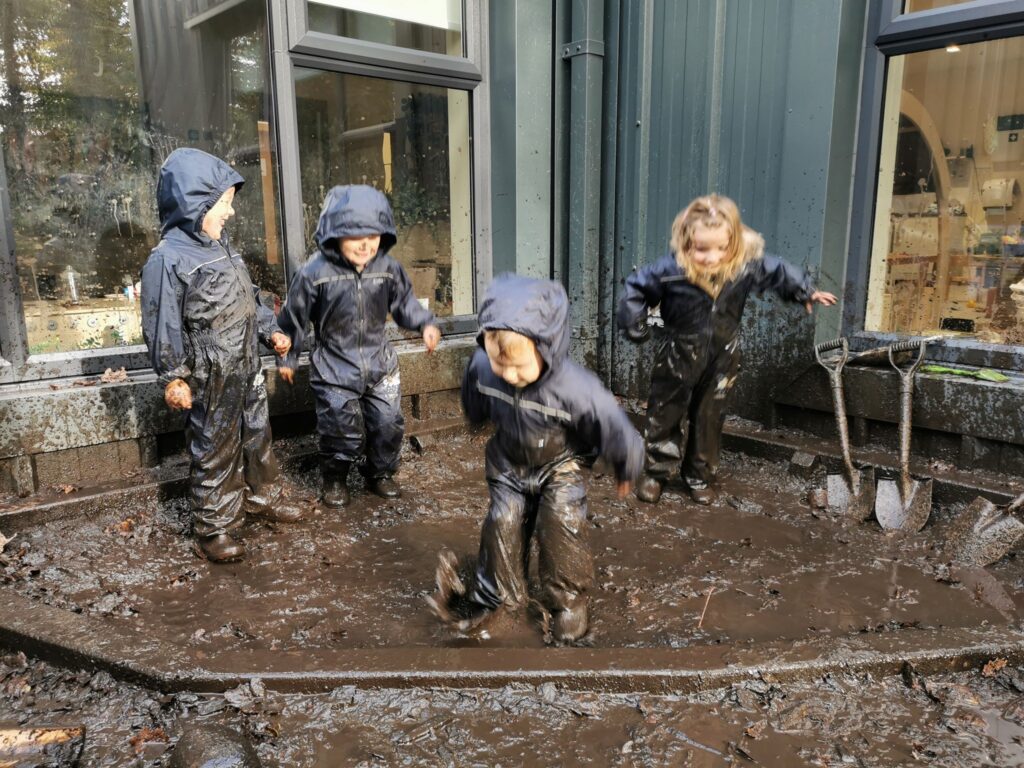
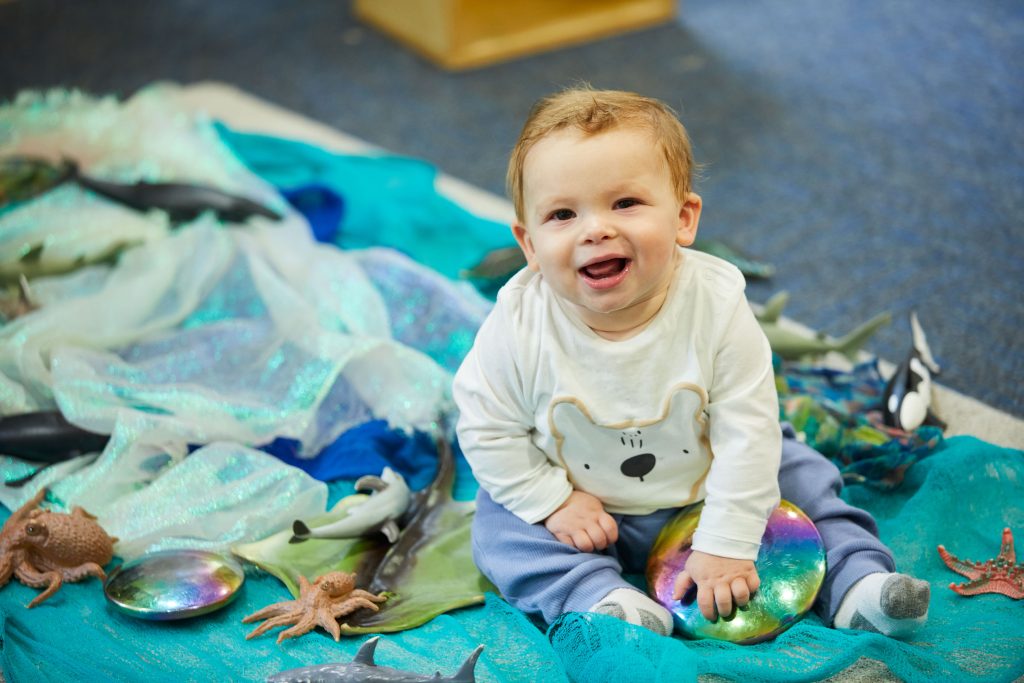
Sensory play helps babies discover their environment. It’s perfect for any stage, from 0–3 months right through to 6–12 months. Activities like these also encourage tummy time, helping to strengthen muscles for crawling and sitting.
2. Classic Games Like Peek-a-Boo
Peek-a-boo is an incredible way to teach object permanence—the understanding that something exists even when it can’t be seen. All you need is a soft cloth, your hands, or a play mat to hide behind.
3. Activity Play Mats
An activity play mat offers endless opportunities for engagement. Many include hanging toys, sounds, and textures for babies to explore while developing motor skills.
4. Sensory Soft Play
Soft play areas designed for babies are safe spaces filled with gentle equipment for rolling, crawling, and climbing. If you’re searching for areas near you, check local nurseries or community centres.
5. Edible and Taste-Safe Sensory Play
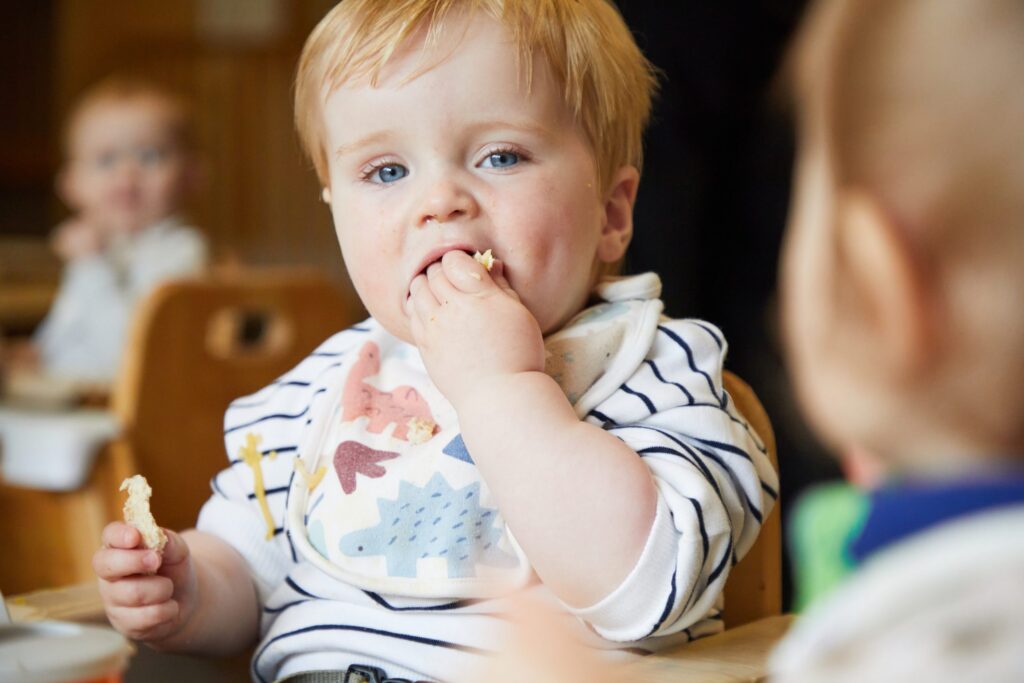
For younger babies, safe and edible materials are ideal for sensory exploration. These activities stimulate touch and taste while ensuring absolute safety.
The Core Benefits of Sensory Play
🧠 Brain Development
Stimulating sensory activities help form vital neural connections and build problem-solving skills.
✋ Motor Skills
Touching, grasping, and exploring different materials strengthen both fine and gross motor skills.
🗣️ Language
Talking to your baby while they play introduces new words, tones, and sounds.
💛 Emotional Growth
Engaging in playful activities strengthens trust and the vital bond between you and your baby.

Finding the Balance: How Much Playtime is Needed?
Those structured ideas aside, it’s important to note that playtime doesn’t have to be elaborate! Getting on your tummy, handing your baby a rattle, reading, or simply narrating your day all count as highly engaging play.
Playing and interacting with your baby is essential, as you are their first teacher. However, you don’t need to entertain your baby every moment they’re awake. Babies also need solo time to begin understanding their independence.
In the early months, babies sleep a lot. You can gauge their readiness for interaction by observing their cues—some babies are happy to lie on their backs and marvel at their toes, while others seek engagement through sounds and facial expressions. Over time, you’ll become attuned to when they crave interaction and when they prefer to rest.
Play Every Day at Kids Planet
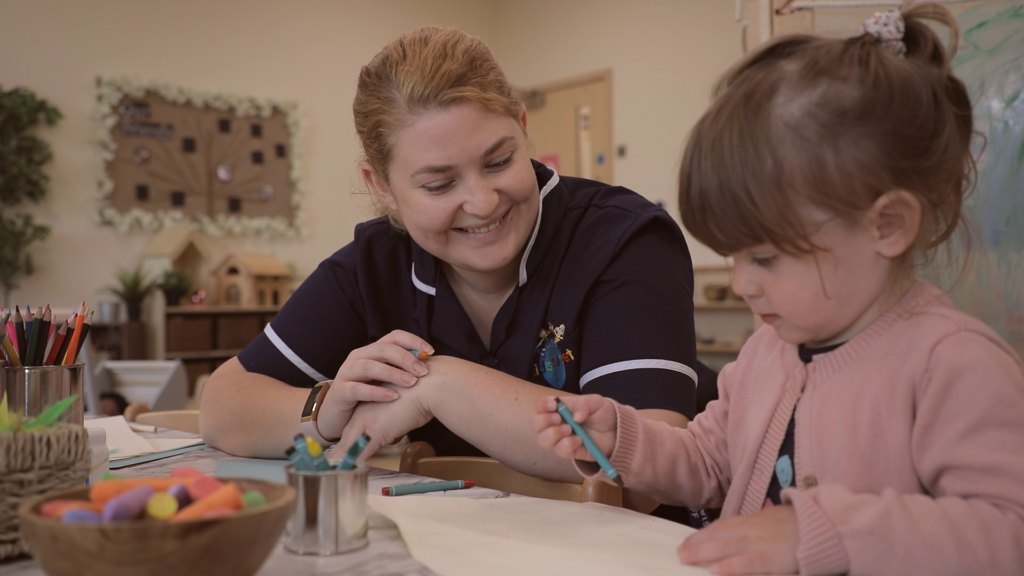
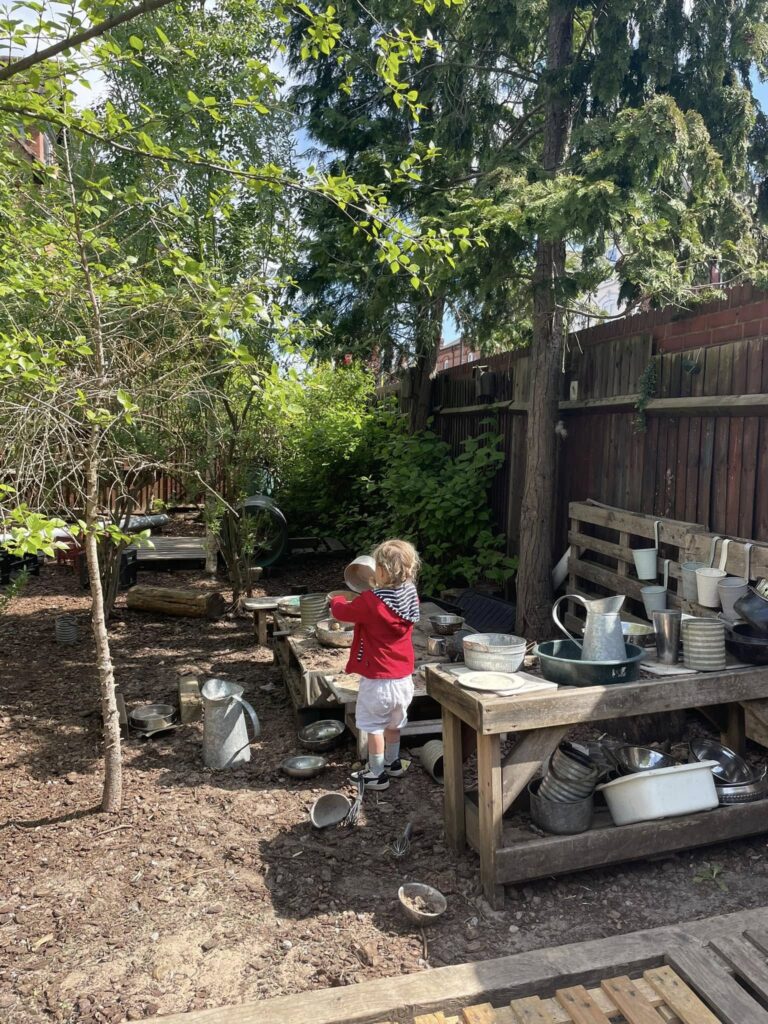
We encourage play-based learning every single day. From baby rooms equipped with sensory mats to interactive group activities, we help little ones develop confidence in a safe, nurturing environment.