Activities for Mindfulness in Early Years

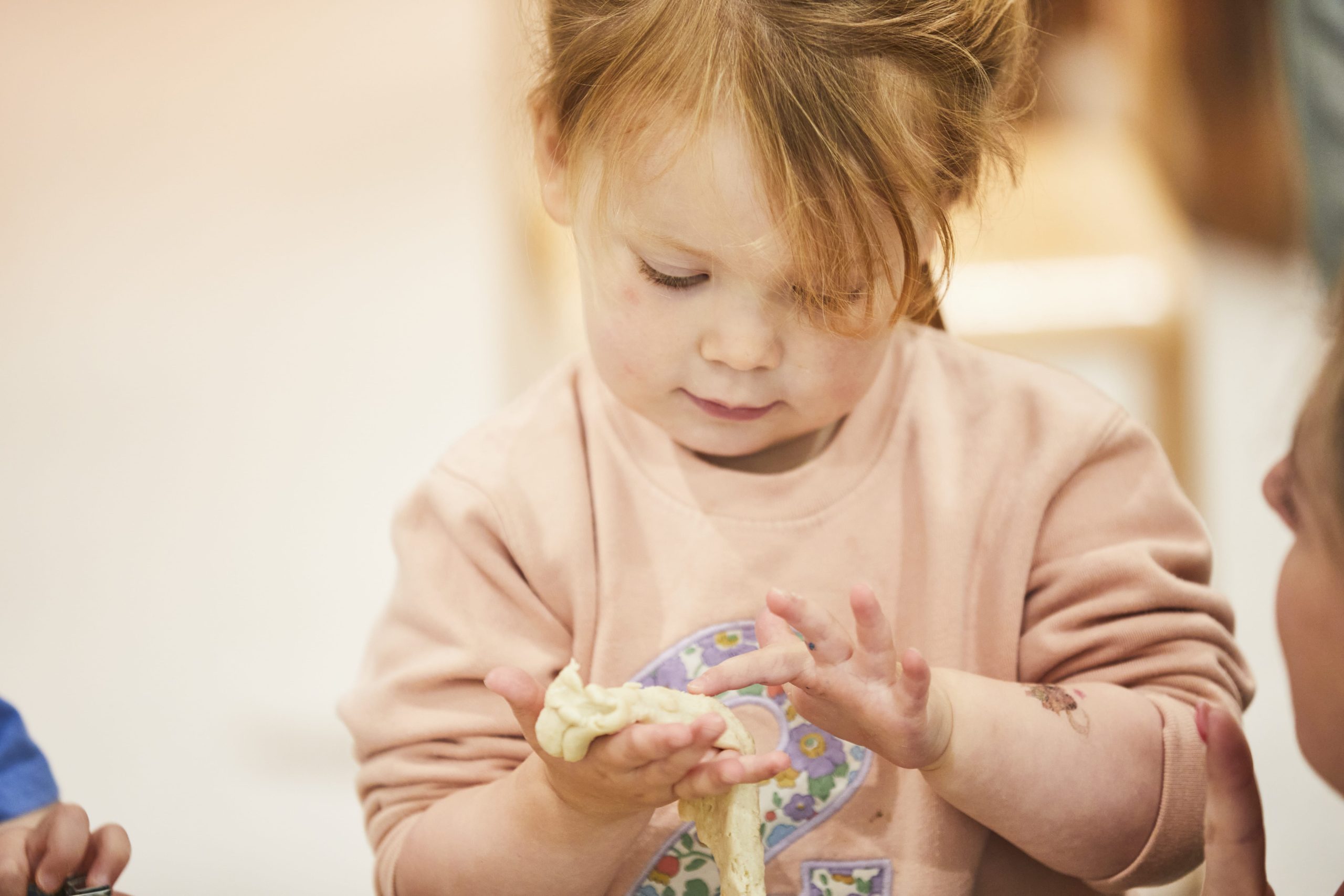
Many young children find it challenging to manage their emotions and their minds can naturally be very busy, which can make it difficult for them to focus or concentrate on one thing at a time. Developing mindfulness skills at a young age can help little ones to feel calmer, react more positively to challenges and become more resilient when dealing with everyday life and situations.
In this guide, we look at how practicing mindfulness in early years can be beneficial to children and offer some useful activities that can be done at home or in a nursery or childcare setting.
What is mindfulness?
Mindfulness is a concept about someone being fully present in the moment. They notice their thoughts, feelings and experiences but are able not to be overwhelmed by them and can give complete attention on what is happening right now. Mindfulness is a skill that can be developed by practicing regularly.
For young children, who often naturally live in the present anyway, mindfulness can be a really useful skill to develop and practice in early years, giving them a positive set of mental tools and greater resilience to use throughout their life.
The benefits of mindfulness in early years
Mindfulness can have multiple benefits for children and throughout adulthood, but some of the key ways it can help little ones as they develop and learn include:
Regulating emotions
By focusing on the present and accepting feelings and thoughts without judgment (they are not good or bad, they just are), young children practicing mindfulness can often respond calmly to a situation, rather than their response being dependent on following their emotions.
Developing compassion and care for others
Practicing mindfulness brings with it a greater awareness of emotions and feelings. When children are aware of the things that make them feel sad or happy, they can develop more empathy for others who might be facing some difficult emotions or situations.
Improve cognitive skills
One of the benefits of mindfulness for young children is it can help them to concentrate on tasks, on solving a particular problem or give something their full attention until it is done.
Improve sleep
A key benefit of mindfulness is that it can help to calm and clear the mind of distracting thoughts, which can make a big difference for little ones that struggle to get off to sleep at times. Mindfulness techniques practiced before bedtime can help children to slow down in body and mind to improve their ability to relax and fall asleep.
Developing better communication skills
Part of mindfulness involves actively listening to what is going on, which also forms part of a great set of communication skills that are useful for children to develop. In many younger children, who may not be able to fully communicate with their words, it can be very frustrating trying to be understood. Practicing mindfulness can help to calm this frustration or other emotional responses and help the little one to not only communicate more thoughtfully, but also understand what others may be feeling and engage in communication with peers and adults more effectively.
How to explain mindfulness to a child
Many adults find it difficult to explain mindfulness to other grown-ups, so how can you talk to children about it? The good news is that young children spend most of their time living in the present anyway, which is a great start for practicing mindfulness. Some tips for talking to children about mindfulness include:
- Keep it simple, by explaining that mindfulness is about them paying attention to what they are doing or feeling at that moment in time. This could be how it feels when they taste something they are having for lunch, what their body feels like when they exercise, or how it feels to go outside into the fresh air.
- Explain that practicing mindfulness can help them to understand their feelings and how they respond to things at home, at nursery or when out and about.
- Talking about mindfulness is great, but leading by example is often a more effective way of helping a child understand. By doing some mindfulness activities together, children can learn by seeing the positive impact it has on you and them.
Mindfulness activities for early years
There can be some close links between sensory play in early years and mindfulness activities, as mindfulness involves paying attention to what the child’s senses are telling them. Along with some simple breathing exercises and some straightforward and fun tasks, practicing mindfulness can easily be brought into everyday life for children in their early years.
Birthday candle breathing
A fun mindful breathing exercise is pretending to blow out birthday candles with their breath. Getting them to focus on how they are breathing in and out is a good way to introduce mindful breathing to little ones.
Colouring in
Theres a reason why adult colouring books have grown in popularity over the last couple of decades! Focusing on a simple and self-rewarding creative task as the page slowly fills with colour, colouring in can be a great way to introduce a mindful task to a young child. It can reduce stress and helps keep the child grounded in the present.
Mindful nature walks
Getting young children to engage with their senses when out and about in nature can be a great way to help them connect with their surroundings. When standing still, ask your little one to close their eyes and tell you what they can hear, smell and feel. Collecting natural items like leaves, twigs and stones can be fun to hold and feel.
Mindfulness for toddlers
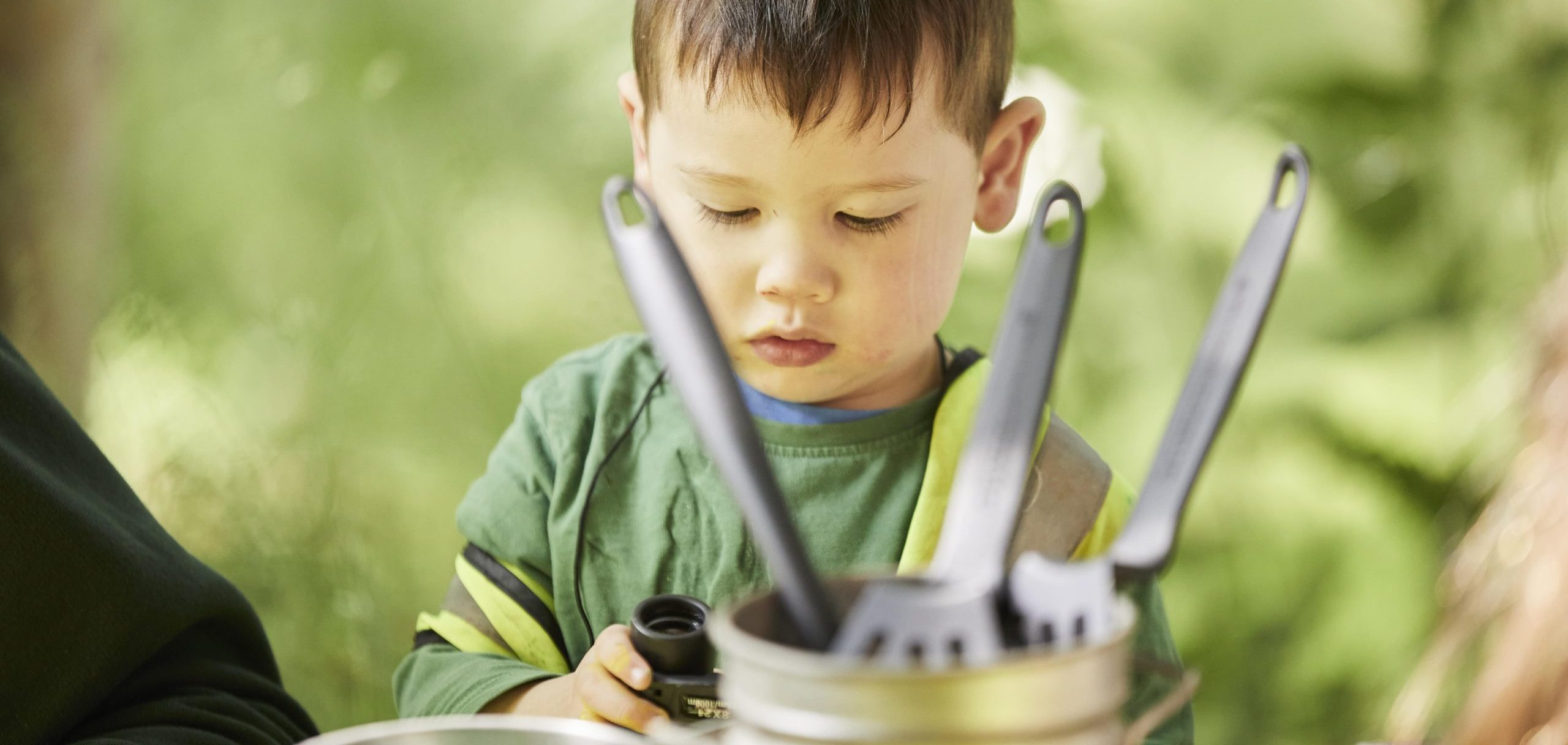
For even younger children, who may not be able to express themselves or communicate as fully, it’s still possible to introduce mindfulness activities. These could include:
Finger tracing
Using colourful lines on paper (wiggly, straight, curvy etc), the child can use their fingers to trace the lines while practicing mindful breathing. This can not only promote calmness and relaxation, it can also help develop fine motor skills.
Bubbles
Many toddlers won’t be able to use a bubble wand yet (they are usually suitable for those over the age of three) but watching bubbles can be a mindful activity in itself. Focusing on the bubbles and their colours and movements (and when they pop) helps keep little ones firmly in the present and connected with what they see around them.
How Kids Planet settings incorporate mindfulness in early years activities
At Kids Planet, we see the benefits of mindfulness activities in early years settings on a daily basis, which is why we integrate it into our regular routines through our Mindful Moments initiative.
From breathing exercises to sensory storytelling, outdoor learning, active times and messy play, we aim for every child to develop tools that help them regulate their emotions, react calmly and form strong social connections with those around them.
If you want to know more, find your nearest nursery today and the team will be happy to talk to you about how we incorporate mindfulness in early years learning and play.